By Ryan Ross
September 30, 2026
Understanding the differences between hot and cold water pressure washers is crucial for businesses requiring cleaning solutions. The choice between them impacts efficiency, cost, and suitability for specific cleaning tasks. Here, we'll explore these options to aid in selecting the best pressure washer equipment for your business needs.
Pressure Washer Basics
How Pressure Washers Work
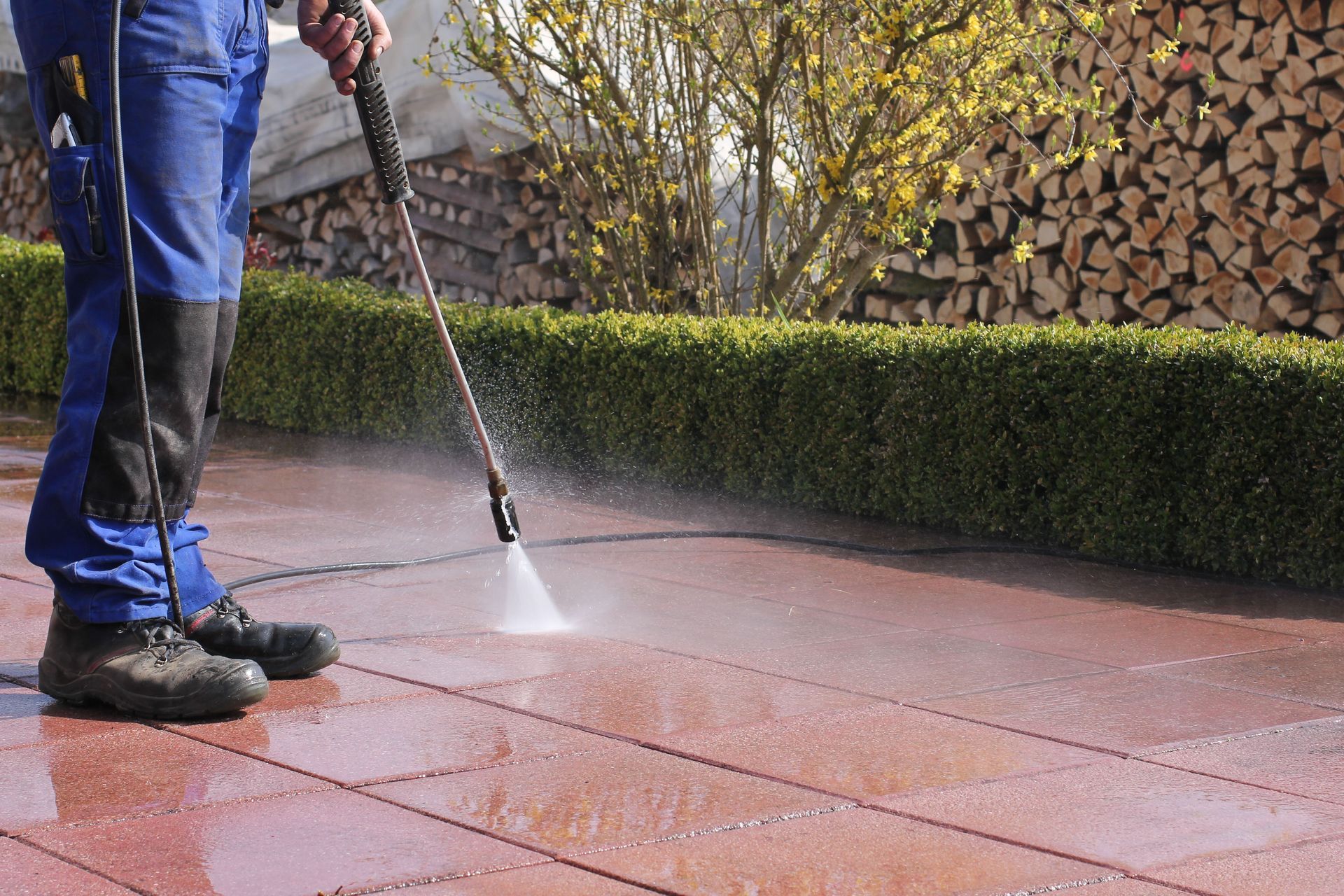
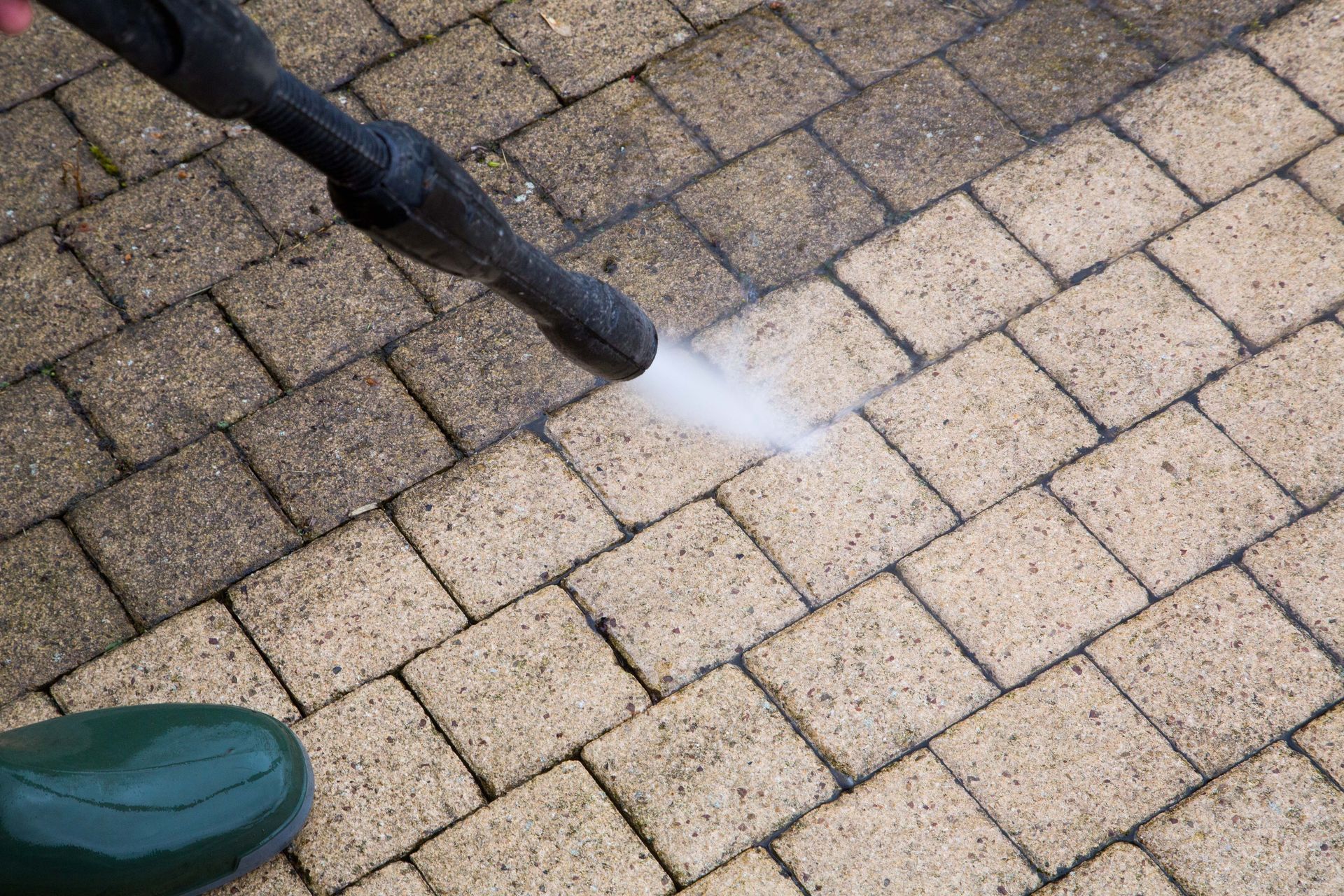
Pressure washers are powerful cleaning tools that use a high-pressure water spray to remove dirt, grime, and other contaminants from surfaces. They consist of a motor or engine that powers a pump, which pressurizes the water before it is expelled through a nozzle at high velocity. According to HomeGuide, a standard garden hose outputs 50 PSI of water pressure, whereas a pressure washer ramps that power up to 1500 to 4000 PSI. This significant increase in pressure not only speeds up cleaning tasks but also enhances cleaning effectiveness, allowing for the removal of stubborn stains and debris. Understanding how these systems work is foundational to appreciating their role in business cleaning applications.
Key Components of a Pressure Washer
Pressure washers are composed of several essential components, each playing a pivotal role in the machine's operation. The power source, which can be an electric motor or a gasoline engine, provides the necessary energy to run the pump. The pump is responsible for pressurizing the water, which is then directed through high-pressure hoses to the nozzle. The nozzle controls the spray pattern and pressure, allowing for different cleaning tasks. These components work together to ensure the pressure washer delivers powerful cleaning performance suitable for a variety of business needs.
The Role of Pressure in Cleaning Power
Pressure is the key element that distinguishes pressure washers from other cleaning devices. The force exerted by the water spray effectively removes dirt, mold, and other deposits quickly and efficiently. Higher pressure levels are particularly beneficial for tackling challenging cleaning situations, such as removing oil stains or cleaning expansive outdoor spaces. However, it is essential to balance pressure with the type of surface being cleaned to avoid damage. Understanding this balance helps businesses choose the right pressure washer that meets their cleaning requirements without compromising surface integrity.
Advantages of Hot Water Pressure Washers
Efficiency in Tackling Grease and Oil
Hot water pressure washers excel in environments where grease and oil are prevalent, such as garages, kitchens, or industrial sites. The heated water helps to break down these tough substances more effectively than cold water, reducing cleaning time and effort. By leveraging high temperatures, these washers can dissolve oil residues and make them easier to wash away. This capability is crucial for businesses that need to adhere to high cleanliness standards. Employing hot water pressure washers ensures a more thorough clean, enhancing operational efficiency and safety in areas where oils and greases are common.
Enhanced Cleaning Power and Speed
The addition of heat increases the cleaning power of hot water pressure washers, making them efficient for high-demand environments. Heat, coupled with pressure, speeds up the cleaning process by loosening contaminants and reducing the surface tension, improving detergent action. This results in reduced labor costs and time savings, which can be substantial over frequent use. For businesses operating with tight schedules and efficiency goals, this can lead to significant productivity gains. Additionally, the improved cleaning power helps in achieving superior cleaning results, which is vital for customer satisfaction.
Benefits for Sanitizing and Disinfecting
Beyond removing physical dirt, hot water pressure washers add a sanitizing dimension to cleaning tasks by effectively killing bacteria and viruses with high temperatures. This is particularly beneficial for businesses in the food, healthcare, and hospitality industries, where sanitation is a top priority. Reduced reliance on chemical disinfectants not only cuts costs but also minimizes chemical pollution. This eco-friendly approach is gaining importance as environmental regulations become stricter. By incorporating hot water pressure washers, businesses can ensure compliance and promote a healthier environment for employees and customers alike.
Advantages of Cold Water Pressure Washers
Lower Operating Costs
Cold water pressure washers are often chosen for their lower operating and maintenance costs. Since they do not require heating elements, they consume less energy and consequently have lower fuel costs. Their simpler design also means fewer parts that could require maintenance or replacement, reducing service costs and downtime. This makes them an economical choice for businesses needing effective cleaning solutions without significant operational expenditures. Businesses prioritizing cost efficiency will find the minimalistic requirements of cold water washers align well with budget constraints.
Effectiveness for Basic Cleaning Tasks
Cold water pressure washers are ideal for tasks that involve cleaning non-greasy surfaces like concrete, wood, and plastic. They effectively remove dirt, mud, and general grime with the powerful pressure they generate, reaching 1500 to 4000 PSI. Their ability to handle everyday cleaning tasks makes them suitable for residential, retail, and light industrial applications. For businesses where heavy-duty grease and oil cleaning is not a routine concern, these washers provide ample cleaning power without the complexity or cost of hot water units. They offer a straightforward, efficient solution for maintaining clean environments in less demanding applications.
Equipment Longevity
With fewer components and no heating elements, cold water pressure washers tend to have a longer lifespan and lower risk of operational failure. Maintenance is typically simpler, requiring standard checks and part replacements less frequently. This longevity is appealing to businesses seeking to maximize their equipment investment over time. Regular but straightforward maintenance routines help ensure consistent performance and extend equipment life, reducing the frequency of costly replacements. Businesses focusing on long-term equipment reliability will find cold water models favorable, both financially and operationally.
Costs and Investment
Initial Purchase Price Comparison
When comparing pressure washers, one of the first factors to consider is the initial investment required. Generally, hot water pressure washers are more expensive upfront due to their complex systems involving burners and heating coils. Cold water units, being simpler in design, often come at a lower purchase price. Businesses must carefully assess whether the added capabilities of hot water washers justify their cost based on specific cleaning needs. The choice depends significantly on whether the cleaning tasks at hand necessitate the added power of a hot water unit or if a cold water model provides sufficient functionality.
Running Cost Differences
Running costs for pressure washers can vary widely depending on the type of unit and usage patterns. Hot water units have higher operational costs, encompassing fuel or electricity to heat the water, alongside the purchase of cleaning agents designed for high-temperature usage. Cold water machines, on the contrary, require less energy, leading to lower utility and operational expenses. Businesses focused on cost containment must consider these differences, evaluating long-term cost projections against immediate and periodic financial resources. Ultimately, the decision involves aligning these costs against anticipated business growth and cleaning demands.
Maintenance and Longevity
Maintenance requirements and equipment longevity are influential factors in the total cost of ownership. Hot water pressure washers, due to their added heat and mechanical components, often require more frequent maintenance checks and repairs. In contrast, cold water units, with their simpler construction, typically have a longer operational lifespan with less intensive maintenance needs. To maintain optimal performance over the years, businesses need to factor in these aspects when determining which type of washer aligns with their strategic goals. This choice impacts long-term reliability and, consequently, equipment replacement intervals and costs.
Selecting between hot and cold water pressure washer equipment is pivotal for operational efficiency and cost management in your business. By understanding the nuances and applications of each, you can make an informed decision that aligns with your cleaning requirements and business objectives, ensuring optimal performance and satisfaction in your cleaning endeavors. For more information about
pressure washer equipment, contact Pressure Washers USA today.