By Ryan Ross
November 4, 2026
Pressure washing can help restore the appearance of outdoor surfaces by removing accumulated dirt, grime, algae, and other unwanted buildup. Driveways, patios, sidewalks, decks, and exterior walls are exposed to changing weather conditions and everyday use, making periodic cleaning an important part of property maintenance. However, purchasing professional cleaning equipment may not be practical for homeowners who only need it for a specific project. A one-time pressure washer rental provides access to equipment without requiring a long-term investment. Successful cleaning involves more than selecting a machine and spraying water across a surface. Understanding equipment requirements, preparation techniques, cleaning methods, and safety precautions can help homeowners complete their projects efficiently while protecting surrounding materials.
Identifying the Surfaces That Need Cleaning
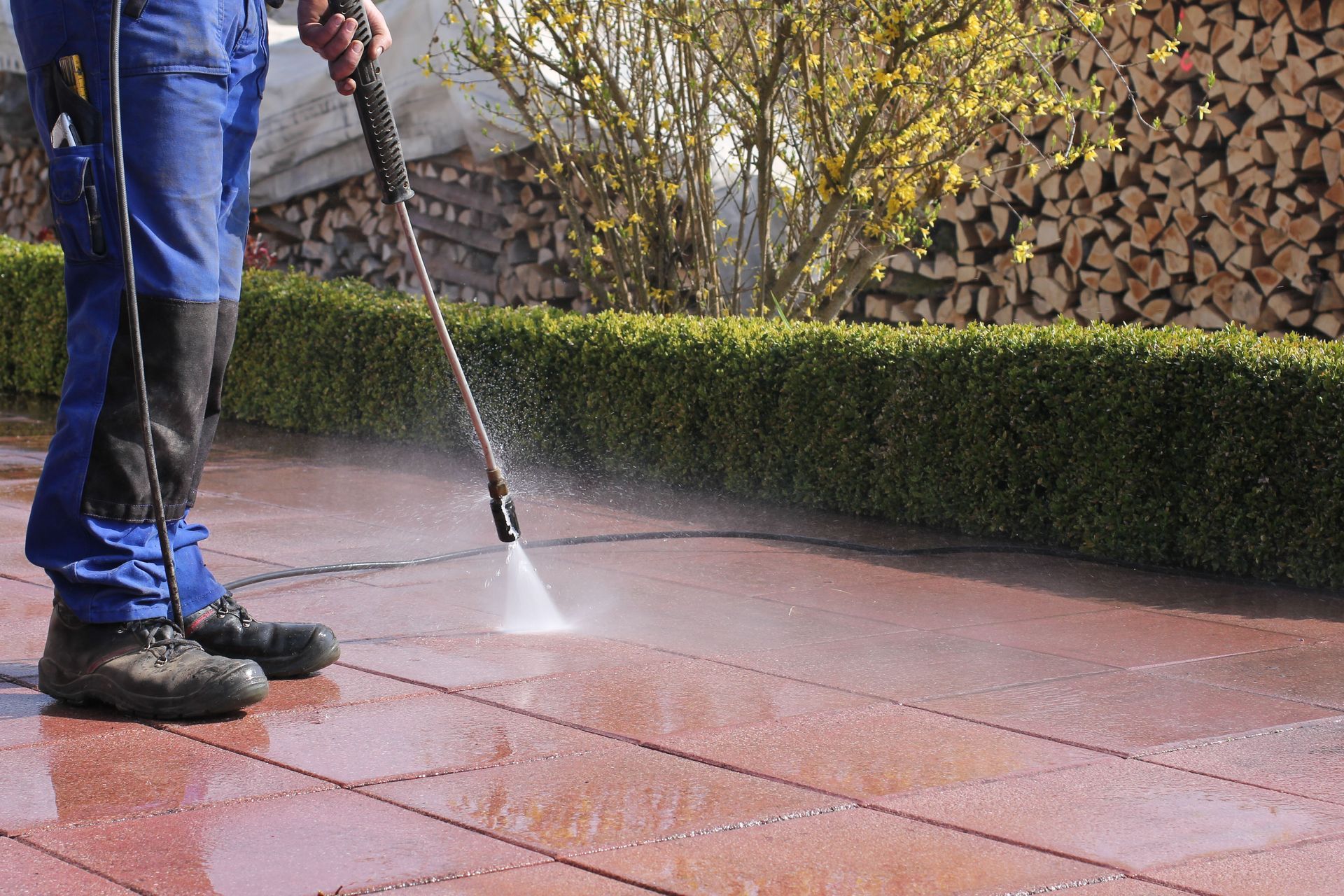
Before renting equipment, homeowners should identify which surfaces require attention and determine their condition. Concrete driveways may contain oil stains, tire marks, and embedded dirt, while patios can accumulate algae, mud, and organic debris. Walkways frequently develop discoloration from foot traffic and environmental exposure. Wooden decks, fences, and exterior siding may also require cleaning, but these materials often need gentler methods than durable concrete surfaces.
Inspecting each area helps establish realistic expectations for the project. Look for cracks, loose materials, peeling paint, deteriorated mortar, and other signs of damage that pressurized water could worsen. Some surfaces may require alternative cleaning methods rather than conventional pressure washing. Identifying vulnerable areas beforehand allows homeowners to prioritize suitable surfaces, estimate the amount of work involved, and avoid using equipment where it could cause unnecessary damage.
Selecting the Appropriate Pressure Washing Equipment
Pressure washers vary in power, water flow, size, and operating requirements. Electric models are often suitable for lighter residential cleaning, while gas-powered equipment may provide additional cleaning capacity for demanding outdoor projects. Pressure is commonly measured in pounds per square inch, while water flow is measured in gallons per minute. Both specifications influence cleaning performance, making it important to consider the surface material and type of buildup.
When arranging a pressure washer rental, explain the intended cleaning tasks to the equipment provider. Rental professionals can discuss available machines, compatible nozzles, and accessories that may improve efficiency. Homeowners should also consider equipment weight, transportation requirements, and access to water and electricity. Selecting an appropriately sized machine helps prevent unnecessary complications while providing sufficient cleaning capability for the planned project.
Preparing the Work Area Before Cleaning
Proper preparation helps protect surrounding property and creates a safer working environment. Remove outdoor furniture, planters, decorations, toys, and other movable objects from the cleaning area. Sweep away loose leaves, branches, and debris that could interfere with the process. Nearby doors and windows should be closed, and vulnerable electrical fixtures should be protected from water exposure. Homeowners should also identify drainage pathways before beginning.
Plants, painted surfaces, and delicate landscaping features may need additional protection from overspray or cleaning solutions. Avoid directing runoff toward sensitive planting areas, neighboring properties, or storm drains where discharge is prohibited. Check local requirements concerning wastewater disposal, particularly when removing oil, chemicals, or other contaminants. Taking these precautions before operating equipment can reduce cleanup time and prevent avoidable problems during the project.
Choosing the Correct Nozzles and Cleaning Settings
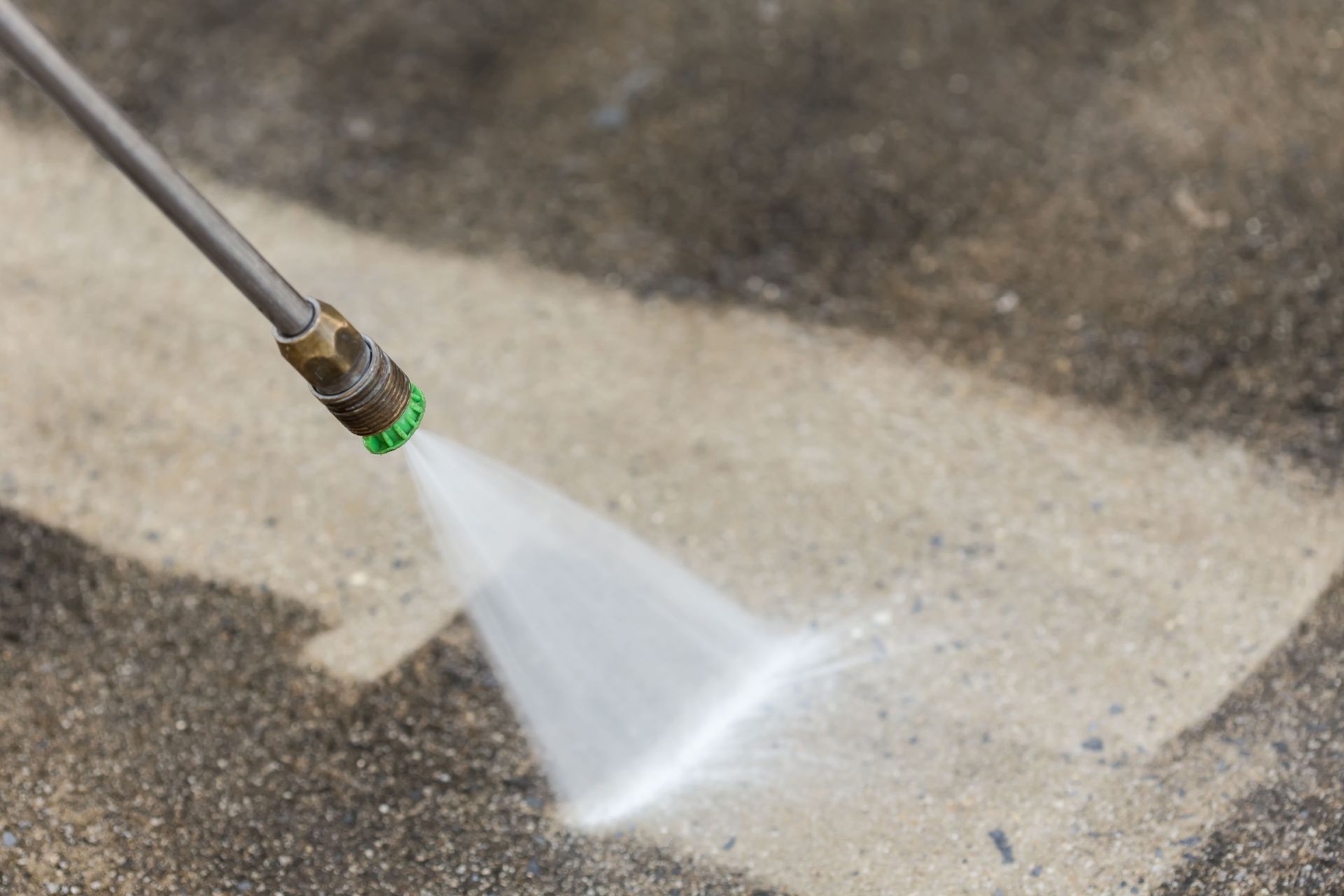
Pressure washer nozzles control the shape and concentration of the water spray. Wider spray patterns distribute pressure across a larger area, while narrow patterns concentrate force into a smaller space. Concentrated streams can damage wood, loosen mortar, remove paint, or etch certain surfaces. Understanding nozzle differences is essential because using excessive pressure can cause damage even when the equipment itself is functioning correctly.
Before starting a pressure washer rental project, review the manufacturer's operating instructions and test the selected setting in an inconspicuous location. Begin with a wider spray pattern and maintain a reasonable distance from the surface. Adjust gradually only when necessary and appropriate for the material. Never point the spray toward people, animals, electrical equipment, or fragile objects. Careful nozzle selection helps homeowners balance effective cleaning with surface protection.
Applying Suitable Cleaning Techniques to Different Materials
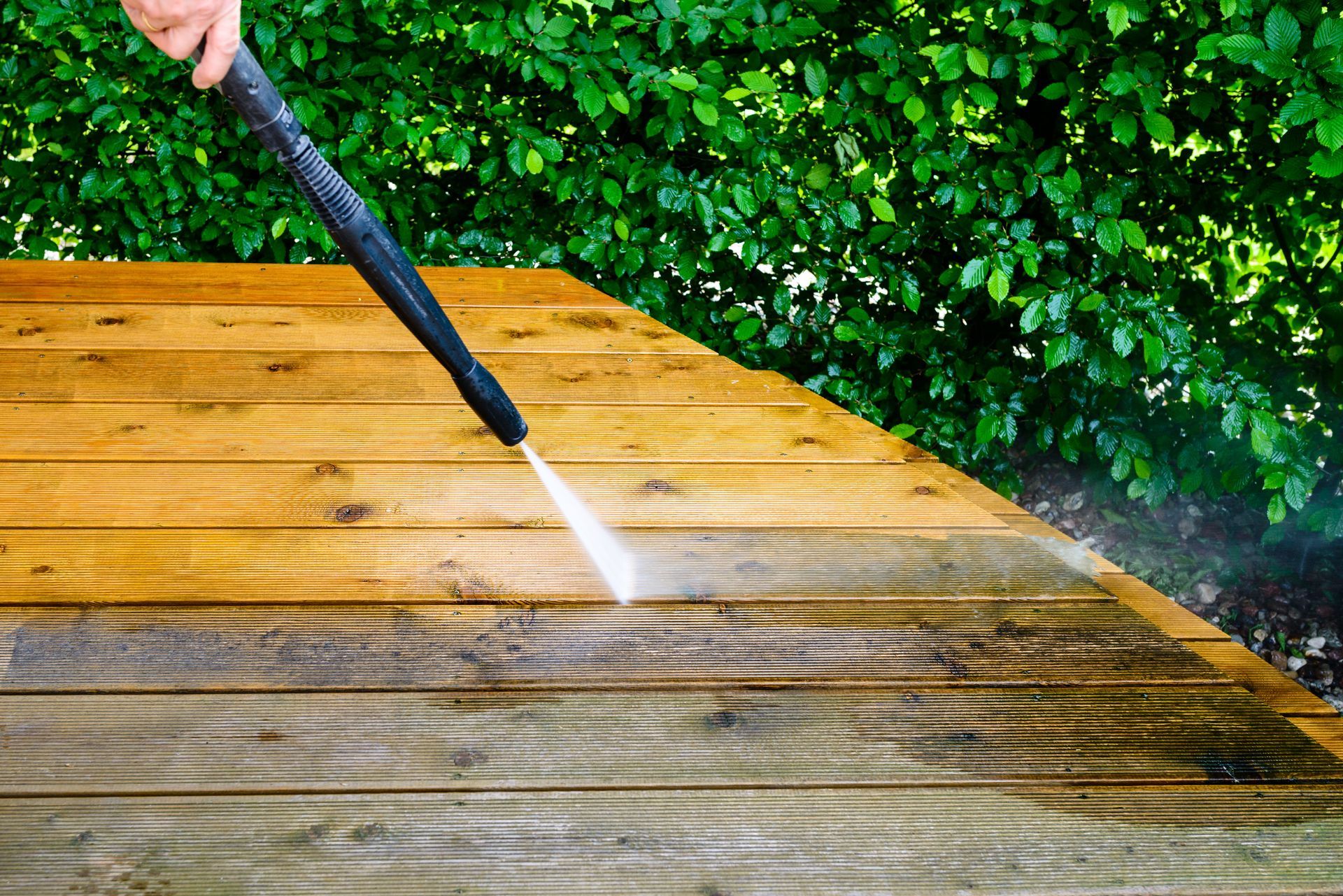
Different outdoor materials respond differently to pressurized water. Concrete generally tolerates more intensive cleaning than wood, painted surfaces, or older masonry. Driveways and sidewalks may benefit from steady, overlapping passes that help prevent noticeable streaks. Deck boards require particular care because concentrated pressure can raise wood fibers or damage the surface. Older brickwork and deteriorated mortar may require gentler cleaning methods or professional assistance.
Work systematically across manageable sections rather than spraying randomly. Maintain a consistent distance and avoid holding the nozzle in one location for extended periods. When using approved cleaning solutions, follow the equipment manufacturer's and cleaning product manufacturer's instructions regarding application, dwell time, and rinsing. Never combine cleaning chemicals unless explicitly directed by their manufacturers. Consistent techniques help produce a more uniform appearance while reducing unnecessary wear on exterior materials.
Managing Stubborn Stains and Biological Buildup
Some outdoor stains require more than water pressure to remove effectively. Oil deposits, rust discoloration, algae, and mildew may respond differently depending on the affected material. Certain contaminants require specialized cleaning products or additional treatment before rinsing. Applying excessive pressure to a stubborn stain can damage the underlying surface without fully removing the discoloration. Identifying the substance involved helps homeowners choose a more appropriate cleaning approach.
According to Better Homes & Gardens, in humid regions where mold, mildew, and algae thrive, pressure washing every six to twelve months can help maintain clean outdoor surfaces. Homeowners considering a pressure washer rental should recognize that cleaning frequency depends on local conditions, surface characteristics, and recurring buildup. Areas with persistent moisture or limited sunlight may require closer monitoring. Removing visible growth can improve appearance, but correcting drainage or moisture problems may also be necessary.
Following Essential Equipment Safety Procedures
Pressure washing equipment can cause serious injuries when operated incorrectly. High-pressure water can penetrate skin, while slippery surfaces, flying debris, and electrical hazards create additional risks. Operators should wear protective footwear, eye protection, and other equipment recommended by the manufacturer. Keep children, pets, and bystanders away from the work area. Never place hands or feet near an operating nozzle or attempt to clear blockages while the system remains pressurized.
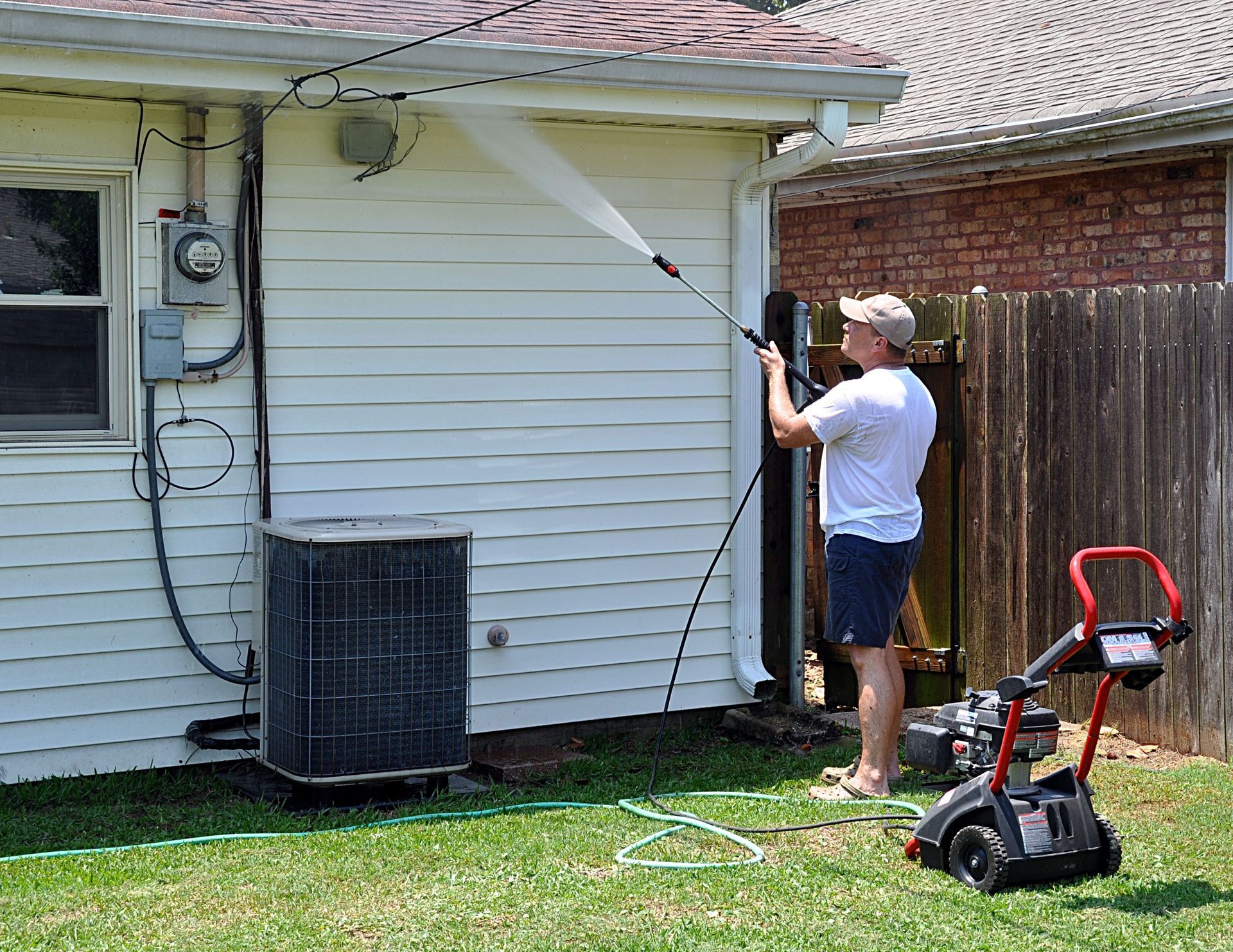
Before using a pressure washer rental, inspect hoses, fittings, and connections for visible damage. Confirm that the water supply meets equipment requirements and follow the proper startup and shutdown procedures. Gas-powered machines must operate outdoors in adequately ventilated locations because their exhaust contains carbon monoxide. Avoid ladders and unstable elevated positions, where spray force can affect balance. If a task cannot be completed safely from the ground, professional cleaning may be the better option.
Completing the Project and Returning the Equipment
Once cleaning is finished, inspect the treated surfaces for remaining debris, uneven results, or areas requiring additional attention. Rinse away approved cleaning products according to their instructions and allow surfaces to dry before replacing furniture or decorations. Some materials may need additional drying time before sealing, staining, or painting. Homeowners should avoid assuming that every surface is ready for further treatment immediately after washing.
Rental equipment also requires appropriate handling before return. Follow the provider's instructions for shutting down the machine, releasing pressure, disconnecting hoses, and draining remaining water when required. Inspect accessories and gather all supplied components to avoid missing-item charges. Reviewing rental terms beforehand can clarify return deadlines, fuel requirements, and cleaning expectations. Proper project planning helps homeowners finish within the agreed rental period and avoid unnecessary expenses.
A successful pressure washing project begins with understanding the surfaces involved and selecting equipment suited to their cleaning requirements. Preparing surrounding areas, choosing appropriate nozzles, applying consistent techniques, and following safety procedures can help homeowners achieve effective results without unnecessary damage. Attention to stubborn stains, moisture conditions, and equipment handling also contributes to a more organized experience. A one-time pressure washer rental can be a practical option for homeowners who want to complete occasional outdoor cleaning projects without purchasing equipment. By evaluating project requirements and preparing before starting, property owners can make better use of their rental period while maintaining driveways, patios, walkways, and other suitable surfaces. For help selecting the right equipment and learning more about available rental options, contact Pressure Washers USA today.