By Ryan Ross
September 1, 2026
A pressure washer can make demanding outdoor cleaning projects feel far more manageable. From dirty driveways to weathered patios, the right equipment can help remove buildup that ordinary cleaning methods may struggle to handle.
However, getting good results involves more than pointing the machine at a dirty surface. Choosing appropriate settings, preparing the area, and using the equipment carefully can make the process more effective while helping protect the surfaces being cleaned.
A pressure washer rental can provide access to useful equipment without requiring homeowners to purchase and store a machine. With thoughtful preparation, renters can make the most of their cleaning time and tackle projects with greater confidence.
Choose the Right Equipment
Different cleaning projects can require different levels of pressure, attachments, and water flow. Before picking up equipment, consider the surfaces that need attention and the type of buildup that needs to be removed.
A pressure washer rental provider may be able to explain the equipment's capabilities and recommend an appropriate option for the intended work. Sharing details about the project can help ensure the machine is suitable for the job.
Think about the areas that need cleaning before making a selection. A large paved surface may have different requirements than outdoor furniture, fencing, siding, or a delicate decorative surface.
It is also helpful to understand how the machine operates before leaving the rental location. Ask about controls, attachments, detergent use, and any operating recommendations. A clear understanding of the equipment can make the cleaning process smoother once the project begins.
Consider the size and accessibility of the project as well. A machine that is easy to maneuver can make a difference when cleaning tight spaces or areas with obstacles. Having the right hose length and appropriate accessories can also reduce unnecessary repositioning during the job.
Prepare the Cleaning Area
Preparation can have a major effect on how efficiently the project goes. Move furniture, planters, decorations, toys, vehicles, and other movable items away from the area whenever possible.
Check the surrounding space for loose objects that could be displaced by the water stream. Small stones, sticks, and debris can become projectiles when struck by high-pressure water.
A pressure washer rental can produce substantial force, so protecting nearby areas is important. Close windows and doors, cover sensitive items, and consider how overspray could affect neighboring surfaces.
Before cleaning, inspect the surface itself. Look for cracks, loose materials, damaged finishes, deteriorated joints, or other existing problems. High-pressure water may worsen weaknesses that were already present.
Take a moment to identify where water will flow during the project. Avoid directing runoff toward entrances, garages, landscaping, or areas where standing water could become a problem. Good preparation can also keep loosened dirt from spreading into spaces that have already been cleaned.
Select the Appropriate Nozzle
Nozzles can significantly change how water reaches a surface. Some produce wider patterns intended for general cleaning, while others create more concentrated streams designed for specific applications.
According to Consumer Reports, a zero-degree nozzle can pose a serious hazard because its highly concentrated spray may cut skin. Consumer Reports therefore advises against pressure washers that depend on this type of nozzle for routine cleaning.
When using a pressure washer rental, select the attachment based on the surface and cleaning task rather than automatically choosing the strongest option. More concentrated pressure is not always better.
Starting with a wider spray pattern can provide an opportunity to evaluate how the surface responds. If additional cleaning power is appropriate, adjustments can be made carefully while maintaining control of the equipment.
Pay attention to the spray pattern throughout the job. A nozzle that seems effective on one material may not be appropriate for another. Keeping attachments organized can also make it easier to switch between tasks without unnecessarily increasing the pressure applied to vulnerable surfaces.
Match Pressure to the Surface
Different materials can respond very differently to high-pressure water. Concrete and other durable surfaces may tolerate more force, while wood, painted areas, and certain finishes can be considerably more vulnerable.
A pressure washer rental should be used with the characteristics of the surface in mind. Excessive pressure can strip finishes, damage softer materials, force water into unwanted areas, or leave visible marks.
Begin cautiously when working with an unfamiliar material. Keeping the spray at an appropriate distance and moving it consistently can help prevent concentrated cleaning in one small area.
Watch the surface as you work. If paint begins lifting, wood fibers appear damaged, or the finish changes unexpectedly, stop and reassess the pressure, distance, or attachment being used.
It is also important to consider the condition of the material. Older surfaces may have existing wear that makes them less capable of handling aggressive cleaning. Testing a small, less noticeable area first can provide useful information before continuing across the entire project.
Work With a Consistent Technique
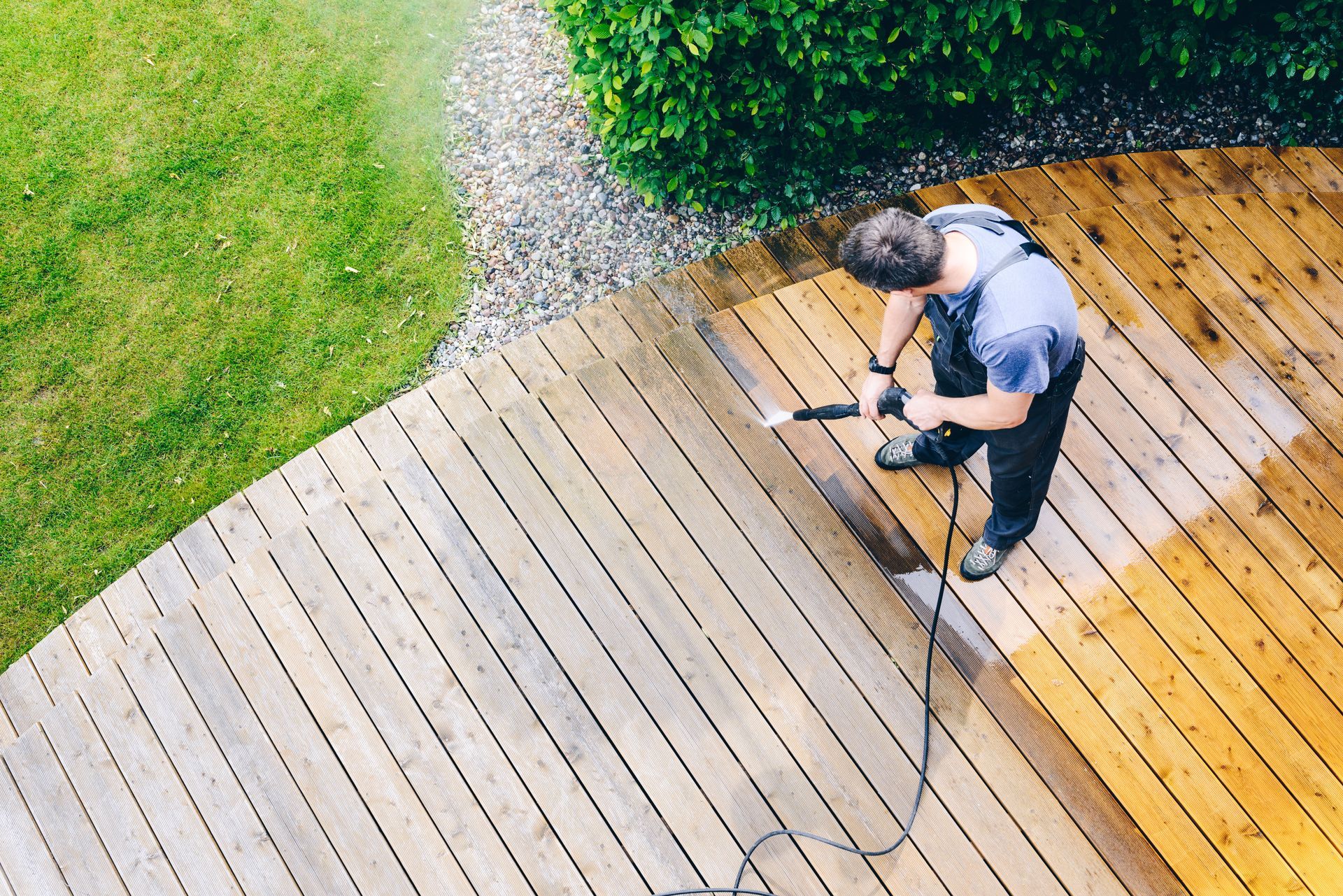
Effective pressure washing depends heavily on technique. Holding the wand steadily and moving across the surface in a controlled pattern can help create more even results.
Avoid lingering in one location for too long. Concentrating the spray on a small area can create inconsistent cleaning or damage, particularly when working with softer surfaces.
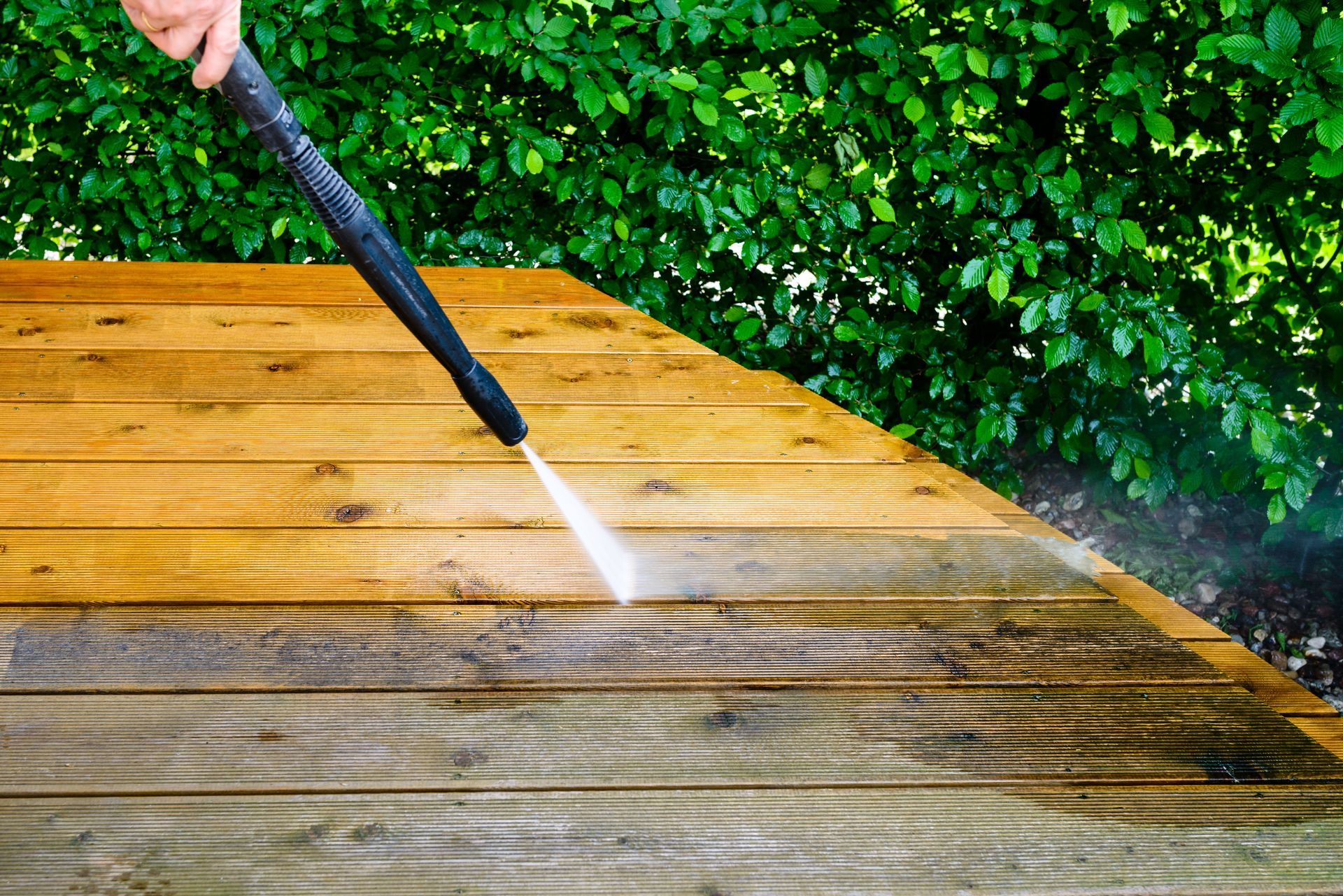
When using a pressure washer rental, work methodically instead of rushing from one area to another. Overlapping passes slightly can help reduce visible lines between cleaned sections.
It can also help to work from cleaner areas toward dirtier ones or follow a logical pattern across the surface. This approach makes it easier to track progress and identify spots that need additional attention.
Cleaning solutions may also help with certain types of grime. If detergent is appropriate for the equipment and surface, follow the manufacturer's directions and use only products intended for pressure-washing applications.
Give the detergent time to work when the product instructions call for it, but avoid allowing cleaning solutions to dry completely on the surface. A controlled process can help loosen stubborn buildup before rinsing, reducing the temptation to compensate with excessive pressure.
Finish and Inspect the Results
Once the primary cleaning is complete, take time to inspect the entire area. Some sections may require additional attention, while others may already be sufficiently clean.
A pressure washer rental can make it tempting to continue cleaning simply because the equipment is available. However, additional pressure is not necessarily beneficial once the desired result has been reached.
Rinse away remaining cleaning solution and loosened debris as appropriate. Pay attention to areas where water or dirt may collect, especially around corners, edges, joints, drains, and other low points.
Afterward, allow the surface to dry so its final appearance can be evaluated properly. Some materials may look different while wet, making it difficult to determine whether additional cleaning is actually necessary.
Finally, clean the equipment according to the rental provider's instructions before returning it. Properly handling hoses, attachments, and accessories can help prevent problems and ensure everything included with the rental is accounted for.
It is worth walking around the entire property once the work is finished. Look at the cleaned areas from different angles and check for missed patches, streaks, remaining residue, or runoff that may have affected nearby surfaces.
Making the most of a pressure washer rental starts with choosing appropriate equipment and understanding how to use it safely. Preparation, careful nozzle selection, surface awareness, and controlled technique can all contribute to better results.
Rather than relying on maximum pressure, focus on matching the equipment and cleaning approach to the specific project. Taking a measured approach can help remove unwanted buildup while reducing the risk of unnecessary surface damage.
With the right preparation and attention to technique, pressure washing can be an efficient way to refresh outdoor areas and improve their appearance. Start planning your cleaning project today, choose the right equipment for the job, and get ready to bring new life to your outdoor surfaces.